Info Page Glow Engines A to K Glow Engines L to O Glow Engines P to Z Spark Ignition Engines Diesel Engines Jet Engines Engine Spares Steam Engines | |
AE | |
| AE 0.5cc Diesel Engine Cost: £64.50 |
| AE 1.0 cc Diesel Engine Cost: £65 |
| AE 1.5 cc Diesel Engine Cost: £39 |
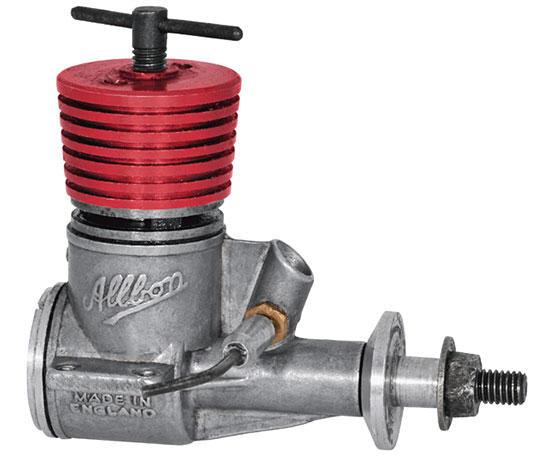
Allbon Alan L. Allbon designed and produced model diesel engines as Allbon Engineering Co (Sunbury) Ltd, England from 1948 until 1952, after this date Allbon engines were manufactured by D.C. by arrangement between Alan Allbon and D.C. Ltd, eventually the Allbon name was dropped and engines were just marked as D.C. products. | |
| Allbon Spitfire (late 1953 - 1958 replaced by D.C. Spitfire Mk 2) Cost: £25 Capacity: 0.975 cc (0.060 ci) Designed by Alan Allbon and marketed initially as the “Allbon Merlin" by D.C. who made the engine, presumably with a financial arrangement with Alan Allbon. |
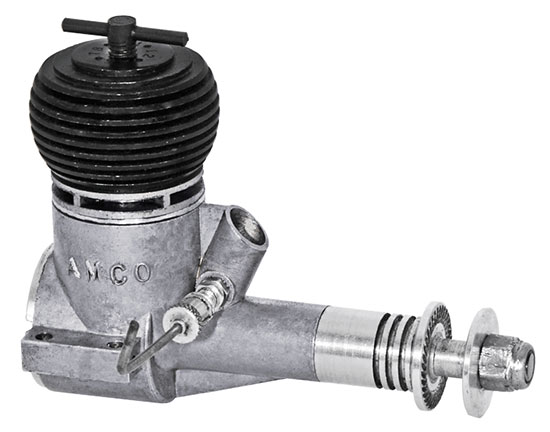
AMCO AMCO engines were Introduced in 1947 as a side line by Anchor Motor Co. who were based in Chester, Cheshire, England. Their first really successful engine design was the AMCO 3.5 PB introduced in 1949 and designed by Ted Martin. AMCO engines were distributed and serviced by Henry J. Nicholls under the name of Mercury Models from HJN’s shop at 308 Holloway Road, London. In April 1952 Anchor Motor Co. ceased model engine production in favour of lucrative government work and sold its model engine sideline to Aeronautical Electronic & Engineering Co. In Alperton, Middlesex, who under the guidance of Dennis Allen started production late the same year of the 3.5cc PB and the 3.5cc BB, both engines were commercially available in 1953 with some mechanical reliability improvements (lightened piston, billet con-rod). In March 1955 AMCO engine production finally ceased although 3.5cc PB replicas were made in 2000 by CS in China. | |
| AMCO 3.5 PB (1949 to 1955) Cost: £49 |
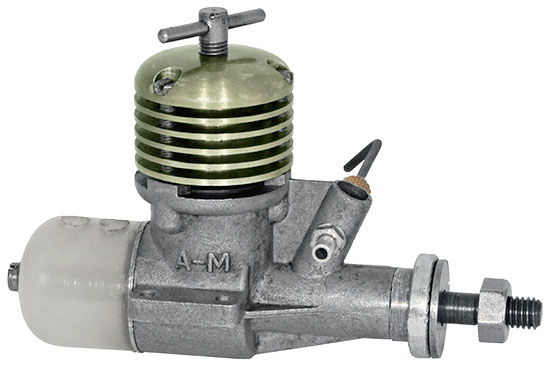
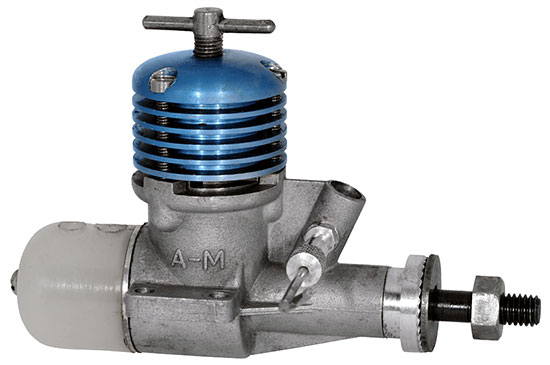
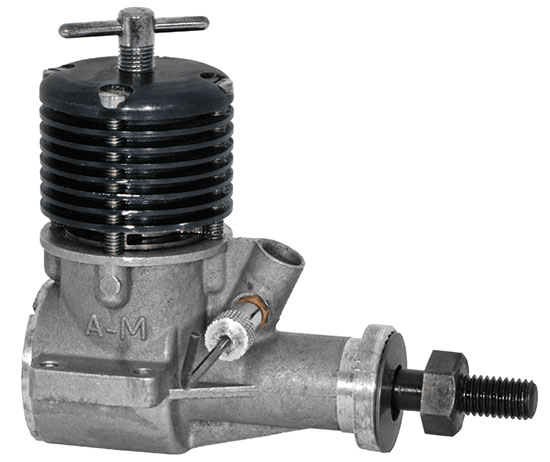
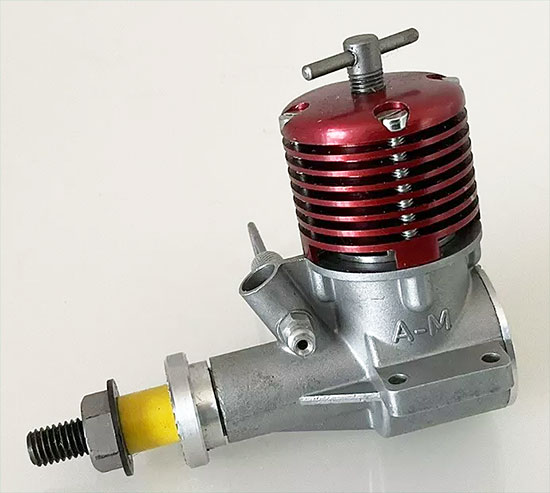
AM Allen Mercury Diesel engines were originally designed and manufactured by D.J. Allen engineering, 28 Angel Factory Colony, Edmonton, London, N18, United Kingdom. Distribution was handled by Mercury Products, the distribution network of the well known London model shop Henry J. Nichols & Sons. The the brand logo AM reflects the joint venture by the both the Manufacturer and distributor "Allen Mercury" this was abbreviated to the initials AM on the engine crankcases. | |
The AM range of engines were designed by Dennis Allen. Dennis had originally been running the repair section of HJN's Mercury Models, upon its closure he was loaned to Allbon to resolve design problems with their new rotary shaft, radial ported engines. Mercury Products was Allbon's sole distributor and so had a vested interest in resolving apparent defects which affected both sales and warranties with Dennis's help mkII versions of both the Allbon Javelin and the Dart went into production in 1952. The short term loan soon became full time, consequently he was still working there when Allbon was taken over in 1953 by Davies Charlton, who had made clear their intention of moving production to their premises on the Isle of Man - but not for long! A rapid move was made to Amco, where he played an important role in the design of their new 3.5cc Diesel engine. By 1954 Dennis had become tired of the limitations repeatedly placed upon his ideas by others, his solution was to approach his old employer H.J.N. with a joint proposition to create a whole new range of engines with high power to weight ratios, thus the AM range came into being. In 1961 Dennis Allen bought Merco from Bill Morley, AM and Merco engines were now both made under the same roof and remained so until Allen Engineering was sold to Ferrari's Engineering, a firm specialising in medical instruments. The Engine production continued until the model engine section was sold in 1983 to a long standing employee Reg Hills who had been with the firm since the Dennis Allen Days, as Reg lived in Waltham Forest, he named his new firm Forest Engineering. | |
| AM10 Cost: £37 |
| AM15 Cost: £39 |
| AM25 Cost: £37
|
| AM25 Cost: £26 |
| AM25 Cost: £27 |
| AM Marine diesel Cost: £30 |
| AM 35 (1960's) Cost: £29 |
| AM 35 (1960's) Cost: £30 |
| AM 35 (1960's) Cost: £85 Brand new and un-run |
AMD
| |
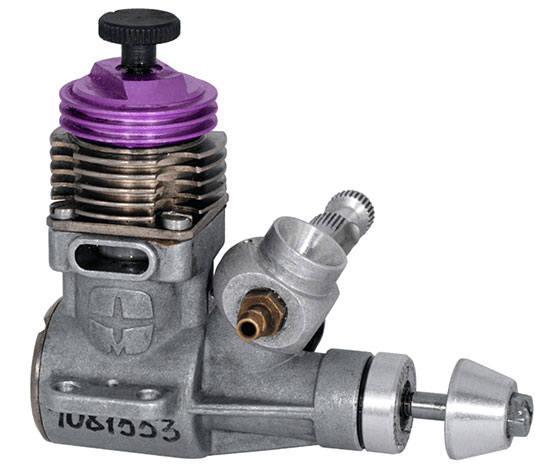
| AMD .061 Diesel R/C (2012) Cost: £29 This particular AMD .061 Diesel R/C engine bares the serial number 7081553. |
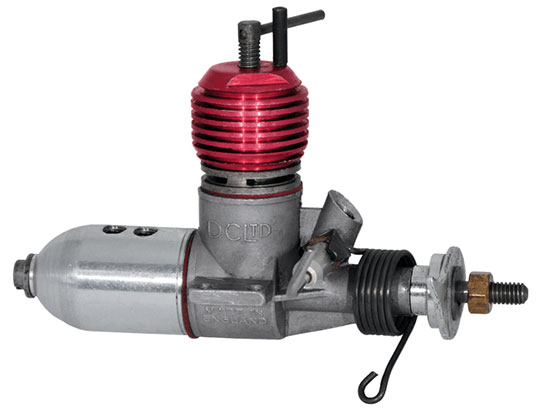
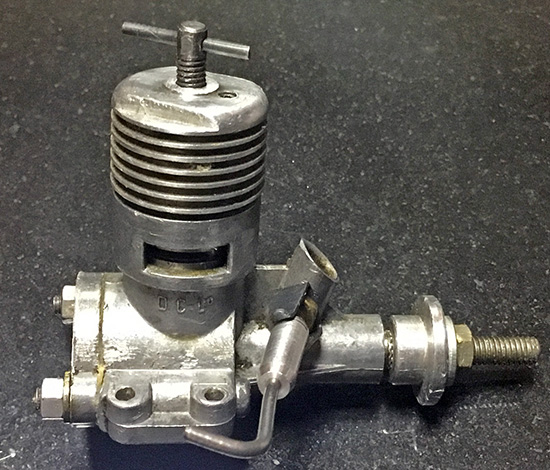
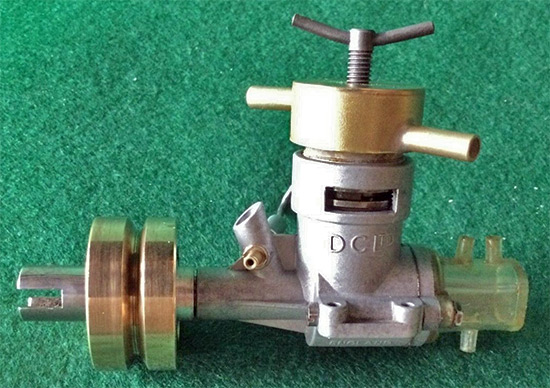
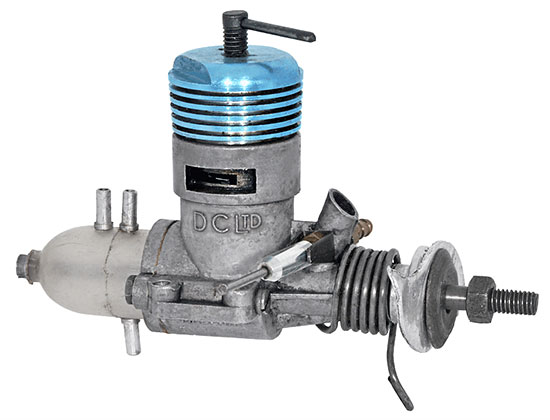
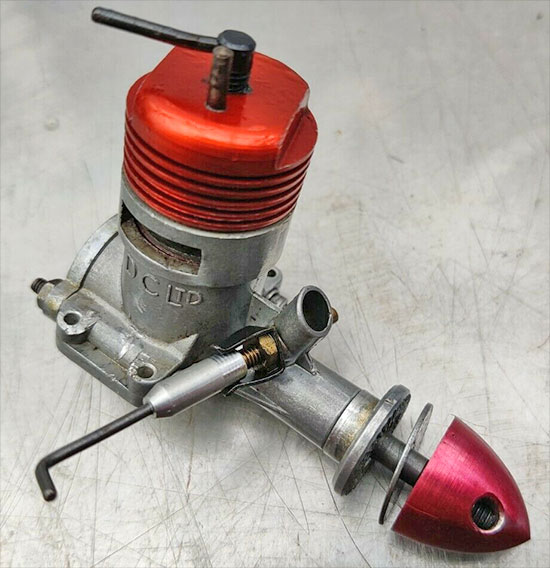
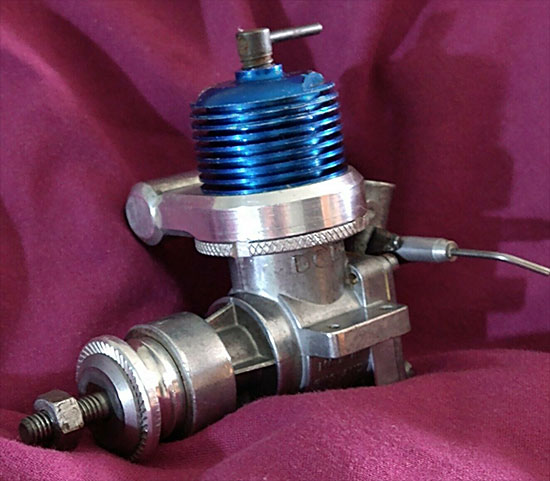
DC Davies-Charlton & Co was formed in 1947 by Hefin Davies and was located initially in Barnoldswick, Lincolnshire, England. In 1952 it gained control over Allbon Engineering’s engines but still marketed the engine range under the Allbon name. In 1952 Davies-Charlton became a limited company and became Davies-Charlton Ltd. this was probably to allow Alan Allbon to become a share holder in Davies-Charlton as he became responsible for its engine design and production at this time. In 1955 D.C. re-located to the Isle of Man and in 1963 started to make some of the Frog engines which had been out of production for several years following IMA ceasing it’s model engine production. In 1982 D.C. ceased production and sold off all remaining parts and engines. | |
| D.C. Dart version 3 1959 Cost: £41 Capacity: 0.55 cc (0.0336 cu in) |
| DC Merlin .75cc (1954) Capacity: 0.76 cc (0.046 cu in) Designed by Alan Allbon and marketed initially as the “Allbon Merlin" by D.C. who made the engine, presumably with a financial arrangement with Alan Allbon. |
| DC Merlin .75cc (1954) Cost £25.00 Capacity: 0.76 cc (0.046 cu in) Designed by Alan Allbon and marketed initially as the “Allbon Merlin" by D.C. who made the engine, presumably with a financial arrangement with Alan Allbon. |
| D.C. Spitfire Mk2 1cc Marine (1958) Cost £35 Capacity: 0.0596 cu in (0.976 cc) |
| D.C. Spitfire Mk2 1cc (1958) Cost £35 Capacity: 0.0596 cu in (0.976 cc) |
| D.C. Sabre 1.5cc Cost £29 Capacity: |
| D.C. RAPIER 2.46CC Cost £70 Capacity: 2.46cc (0.150 cu in) |
| DC 350 Mk II (1951-1956) Cost: £65 |
E.D. E.D. engine range was produced by Electronic Developments (Surrey) Ltd. Their first engine was manufactured in 1946 in their Kingston-on-Thames workshops. The company had been formed by 65 workers who had been making Frazer-Nash gun turrets during the war but had now been made redundant. They invested £50 each to finance the company’s start-up and had to move from Gloucestershire to London to work. The engines were small Diesel engines and the designers were Charlie Gray, Basil Miles, Dennis Allen and Ted Martin. E.D only manufactured Diesel engines but did offer after market spark and glow plug conversion kits for some models. Some of the E.D. Engines are still available (2024) from Weston (UK) who purchased E.D. In 1985. | |
| E.D. Seagull 1CC (1963) Cost: £39 Capacity: 0.984 cc (0.061 cu in) |
| E.D. Hornet 1.46cc Cost: £22 |
| E.D. Super Fury 1.46cc Cost: £33 |
| E.D. MK2 (1951) Cost £42 Serial Number: G71/51 (July 1951) The first ED production engine, an early Basil Miles design, introduced in 1946 and referred to as the penny slot engine Stroke = 0.625 in (15.875 mm) |
| E.D. MK2 Penny Slot (1947) Cost £140 Serial Number: M714/7 - Nov 1947 The first ED production engine, an early Basil Miles design, introduced in 1946 and referred to as the penny slot engine Capacity: 2.00 cc (0.1227 in) |
| ED Competition Special (Dec 1951) Cost £27 Serial Number: M76/51C (July 1951) Stroke = 0.625 in (15.875 mm) |
| E.D. Bee mk1 (1948 - 1955) Cost £21 |
| E.D. Bee mk2 (1955 - 1956) Cost £8.98
|
| E.D. MK III 2.5cc (1948) Cost: £40 Capacity: 2.49cc (0.151 cu in) |
| ED Racer series I 1951 Cost: £56 The ED MK III (Racer) S1 was designed by Basil Miles and entered production in 1950, front bearing webs were added in the S2 version in 1951. The S3 with constant full diameter front housing entered production in 1953, the S4 in 1955, 1960 magnesium crankcase (finished in black to stop oxidation) phased out, the S5 introduced in 1963, 1966 black nylon back-plate introduced and the final S6 version with a tapered front housing in 1969. The S6 was later re-vamped as the super racer with a new smaller prop driver and a conical prop nut no fins on it's cylinder head. Capacity: 2.46 cc ( 0.15 cu in) |
| E.D. Mk III (Racer) S1 (1950) Cost: £56 The ED MK III (Racer) S1 was designed by Basil Miles and entered production in 1950, front bearing webs were added in the S2 version in 1951. The S3 with constant full diameter front housing entered production in 1953, the S4 in 1955, 1960 magnesium crankcase (finished in black to stop oxidation) phased out, the S5 introduced in 1963, 1966 black nylon back-plate introduced and the final S6 version with a tapered front housing in 1969. The S6 was later re-vamped as the super racer with a new smaller prop driver and a conical prop nut no fins on it's cylinder head. Capacity: 2.46 cc ( 0.15 cu in) |
| E.D. Mk III (Racer) S2 (March 1951-1953) Cost: £45 The ED MK III (Racer) S1 was designed by Basil Miles and entered production in 1950, front bearing webs were added in the S2 version in 1951. The S3 with constant full diameter front housing entered production in 1953, the S4 in 1955, 1960 magnesium crankcase (finished in black to stop oxidation) phased out, the S5 introduced in 1963, 1966 black nylon back-plate introduced and the final S6 version with a tapered front housing in 1969. The S6 was later re-vamped as the super racer with a new smaller prop driver an conical prop nut and a no fin cylinder head, Capacity: 2.46 cc ( 0.15 cu in) |
| E.D. Mk III (Racer) S2 (March 1951-1953) Cost £40 The ED MK III (Racer) S1 was designed by Basil Miles and entered production in 1950, front bearing webs were added in the S2 version in 1951. The S3 with constant full diameter front housing entered production in 1953, the S4 in 1955, 1960 magnesium crankcase (finished in black to stop oxidation) phased out, the S5 introduced in 1963, 1966 black nylon back-plate introduced and the final S6 version with a tapered front housing in 1969. The S6 was later re-vamped as the super racer with a new smaller prop driver an conical prop nut and a no fin cylinder head, Capacity: 2.46 cc ( 0.15 cu in) |
| E.D. Mk III (Racer) S2 (March 1951-1953} Cost £40 Serial Number: RB 380/52 380th Mk III RACER made in February 1952 The ED MK III (Racer) S1 was designed by Basil Miles and entered production in 1950, front bearing webs were added in the S2 version in 1951. The S3 with constant full diameter front housing entered production in 1953, the S4 in 1955, 1960 magnesium crankcase (finished in black to stop oxidation) phased out, the S5 introduced in 1963, 1966 black nylon back-plate introduced and the final S6 version with a tapered front housing in 1969. The S6 was later re-vamped as the super racer with a new smaller prop driver an conical prop nut and a no fin cylinder head, Capacity: 2.46 cc ( 0.15 cu in) |
| E.D. Mk III (Racer) S2 marine (March 1951-1953) Cost £33 Capacity: 2.46 cc ( 0.15 cu in) |
| E.D. Mk III (Racer) S2 Marine (March 1951-1953) Cost: £44 Capacity: 2.46 cc ( 0.15 cu in)
|
| E.D. Racer R/C diesel S4 (1953-1955) Cost: £26
|
| E.D. Racer diesel S4 (1953-1955) Cost 52 The ED MK III (Racer) S1 was designed by Basil Miles and entered production in 1950, front bearing webs were added in the S2 version in 1951. The S3 with constant full diameter front housing entered production in 1953, the S4 in 1955, 1960 magnesium crankcase (finished in black to stop oxidation) phased out, the S5 introduced in 1963, 1966 black nylon back-plate introduced and the final S6 version with a tapered front housing in 1969. The S6 was later re-named as the super racer with a new smaller prop driver an conical prop nut and a no fin cylinder head, Capacity: 2.46 cc ( 0.15 cu in) |
| E.D. Racer Series 4 reed-valve 1958 Cost: £164 Serial number: YM-72-8 Capacity: 2.46 cc ( 0.15 cu in) |
| E.D. Mk III (Racer) Series 5 marine (1966-1969) Cost £69 The ED MK III (Racer) S1 was designed by Basil Miles and entered production in 1950, front bearing webs were added in the S2 version in 1951. The S3 with constant full diameter front housing entered production in 1953, the S4 in 1955, 1960 magnesium crankcase (finished in black to stop oxidation) phased out, the S5 was introduced in 1963, a black nylon back-plate was introduced to the S5 in 1966. The final S6 version with a tapered front housing in 1969. The S6 was later re-vamped as the super racer with a new smaller prop driver an conical prop nut and a no fin cylinder head, |
| E.D. Mk III (Racer) Series 5 marine (1966-1969) Cost £22 The ED MK III (Racer) S1 was designed by Basil Miles and entered production in 1950, front bearing webs were added in the S2 version in 1951. The S3 with constant full diameter front housing entered production in 1953, the S4 in 1955, 1960 magnesium crankcase (finished in black to stop oxidation) phased out, the S5 was introduced in 1963, a black nylon back-plate was introduced to the S5 in 1966. The final S6 version with a tapered front housing in 1969. The S6 was later re-vamped as the super racer with a new smaller prop driver an conical prop nut and a no fin cylinder head, |
| E.D. Mk III (Racer) S6 (1969 on) Cost £15 The ED MK III (Racer) S1 was designed by Basil Miles and entered production in 1950, front bearing webs were added in the S2 version in 1951. The S3 with constant full diameter front housing entered production in 1953, the S4 in 1955, 1960 magnesium crankcase (finished in black to stop oxidation) phased out, the S5 introduced in 1963, 1966 black nylon back-plate introduced and the final S6 version with a tapered front housing in 1969. The S6 was later re-vamped as the super racer with a new smaller prop driver an conical prop nut and a no fin cylinder head, |
| E.D. Mk III (Racer) Series 5 R/C (1966-1969) Cost £49 Capacity: 2.46 cc ( 0.15 cu in) |
| E.D. Super Racer (s6) 1969 Cost:125 New Capacity: 2.46 cc ( 0.15 cu in) |
| E.D. Mk4 ser 1 (1949) Cost: £107 Re-built by Peter Tarn Basil Miles designed 1949 E.D. MKIV engine in late 1949 (later named the E.D. Hunter). The MKIV Hunter S5 fitted with a basic R/C carburettor was introduced in 1959, the S6 was introduced in 1960 with an improved R/C carburettor. Capacity: 3.46 cc (0.211 cu in) |
| E.D. Mk4 ser 1 Cost: £72 Basil Miles designed 1949 E.D. MKIV engine in late 1949 (later named the E.D. Hunter). The MKIV Hunter S5 fitted with a basic R/C carburettor was introduced in 1959, the S6 was introduced in 1960 with an improved R/C carburettor. Capacity: 3.46 cc (0.211 cu in) |
| E.D. Mk4 ser 1 Cost: £70 Basil Miles designed 1949 E.D. MKIV engine in late 1949 (later named the E.D. Hunter). The MKIV Hunter S5 fitted with a basic R/C carburettor was introduced in 1959, the S6 was introduced in 1960 with an improved R/C carburettor. Capacity: 3.46 cc (0.211 cu in) |
| E.D. MKIV (Hunter) 3.46cc (1958) Cost £46 Basil Miles designed 1949 E.D. MKIV engine in 1949 (later named the E.D. Hunter). The MKIV Hunter S5 fitted with a basic R/C carburettor was introduced in 1959, the S6 was introduced in 1960 with an improved R/C carburettor. Capacity: 3.46 cc (0.211 cu in) |
| E.D. MKIV (Hunter) marine 3.46cc Cost £34 Basil Miles designed 1949 E.D. MKIV engine in 1949 (later named the E.D. Hunter). The MKIV Hunter S5 fitted with a basic R/C carburettor was introduced in 1959, the S6 was introduced in 1960 with an improved R/C carburettor. Capacity: 3.46 cc (0.211 cu in) |
| E.D. MKIV (Hunter) marine 3.46cc Cost £45 Basil Miles designed 1949 E.D. MKIV engine in 1949 (later named the E.D. Hunter). The MKIV Hunter S5 fitted with a basic R/C carburettor was introduced in 1959, the S6 was introduced in 1960 with an improved R/C carburettor. Capacity: 3.46 cc (0.211 cu in) |
| E.D. MKIV (Hunter) 3.46cc Cost £31 Basil Miles designed 1949 E.D. MKIV engine in 1949 (later named the E.D. Hunter). The MKIV Hunter S5 fitted with a basic R/C carburettor was introduced in 1959, the S6 was introduced in 1960 with an improved R/C carburettor. Capacity: 3.46 cc (0.211 cu in) |
| E.D. Super Hunter 3.46cc Marine (1972 on) New The E.D. Super Hunter 3.46 cc was developed 1972 by Alan Greenfield (later to become owner of ED), it used improved porting and an exhaust throttle, most engines were marine but some air cooled engines were eventually produced. |
| E.D. 3.5cc Sea Otter 3.49cc R/C Marine (1960) Cost £35 The E.D. Sea Otter was a marine drum valve Diesel engine with throttle and silencer designed by Gordon Cornell in 1960, it was based on the Basil Miles designed 1949 ED MKIV engine and shares many parts (later named the E.D. Hunter). The flywheel suggests a production date between 1960 and 1965.
|
| E.D. 3.5cc Sea Otter 3.49cc Marine Cost £35 New The E.D. Sea Otter was a marine drum valve Diesel engine with throttle and silencer designed by Gordon Cornell in 1960, it was based on the Basil Miles designed 1949 ED MKIV engine and shares many parts (later named the E.D. Hunter). The black paintwork and this type of brass flywheel imply this engine was made about 1966 when RCS were assembling engines from left over parts.
|
| E.D. 3.5cc Sea Otter 3.49cc Marine Cost £49 The E.D. Sea Otter was a marine drum valve Diesel engine with throttle and silencer designed by Gordon Cornell in 1960, it was based on the Basil Miles designed 1949 ED MKIV engine and shares many parts (later named the E.D. Hunter). The black paintwork and this type of brass flywheel imply this engine was made about 1966 when RCS were assembling engines from left over parts.
|
| E.D. 3.5cc Sea Otter 3.49cc Marine Cost £50 The E.D. Sea Otter was a marine drum valve Diesel engine with throttle and silencer designed by Gordon Cornell in 1960, it was based on the Basil Miles designed 1949 ED MKIV engine and shares many parts (later named the E.D. Hunter). The black paintwork and this type of brass flywheel imply this engine was made about 1966 when RCS were assembling engines from left over parts.
|
| E.D. Sea Otter R/C 3.5cc Cost: £45 The E.D. Sea Otter was a marine drum valve Diesel engine with throttle and silencer designed by Gordon Cornell in 1960, it was based on the Basil Miles designed 1949 ED MKIV engine and shares many parts (later named the E.D. Hunter).
|
| E.D. Sealion 4.9cc R/C marine Cost: £113 |
| E.D. Viking 4.9cc Marine diesel (1970's to 1980's) Cost: £55 The E.D. Viking is ffectively a water cooled Miles Special (Miles still cast on the crankcase) |
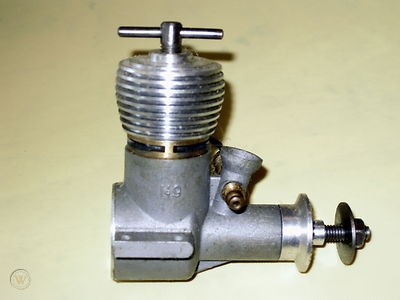
ELFIN The Elfin engine range was produced by Aerol Engineering Pty Ltd. of Liverpool, England between 1948 and 1958. Three different sizes were produced, 1.49cc, 1.8cc and 2.49cc in plain and BB versions. | |
| ELFIN 149 Cost £30 Capacity: 1.49cc (0.091 cu in) |
| ELFIN 149 (Reproduction) Cost £26.00 Capacity: 1.49cc (0.091 cu in) |
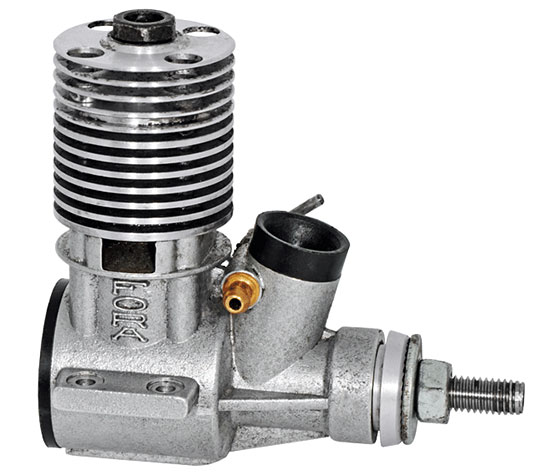
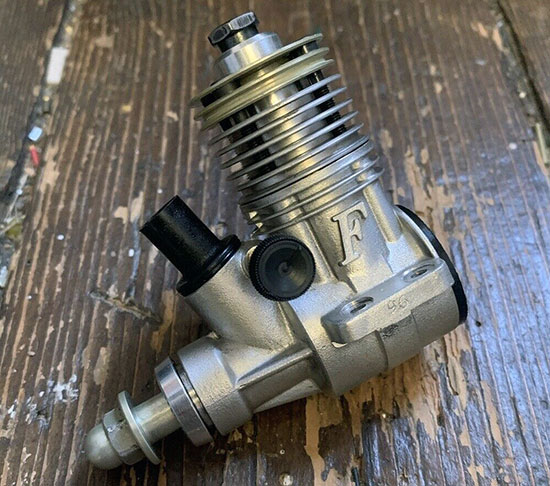
Fora Fora diesel and glow engines are made by Fora Engines who are located in Ukraine | |
| FORA Pioneer 2.5D Diesel engine (2008) Capacity: 2.47 cc (0.151 cu in) |
| Fora 2.5cc Junior diesel combat Engine (2021) Cost: £67 Capacity: 2.477 cc (0.151 cu in) |
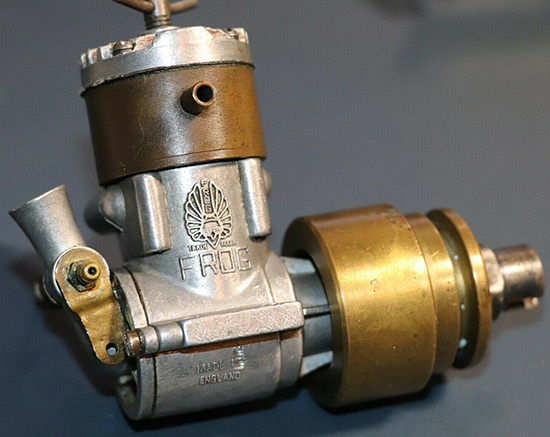
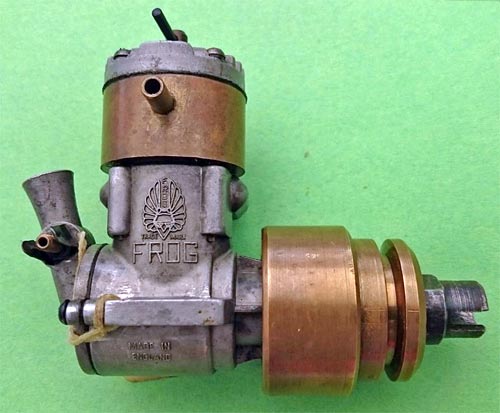
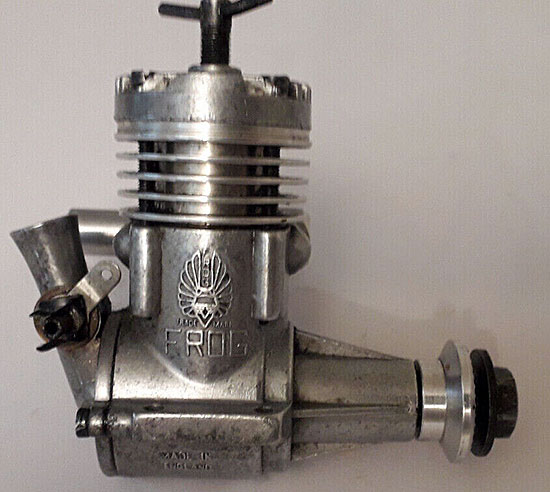
FROG (Flies Right Off Ground!) Frog engines were made by International Model Aircraft (IMA), Merton, London, UK. Engine production started in 1946. IMA ceased all production of engines in 1962 as sales had reduced significantly. In 1964 it was realised there was still a small demand for Frog engines so all tooling was shipped to D.C. on the Isle of Man who produced the 80 ser 3, 100 ser 3, 150 ser 3, 249 BB and the 349 BB until 1966. | |
| FROG 100 Mk2 (late 1948) Cost £47 Capacity: 0.99cc ( 0.061 cu in ) |
| FROG 100 - version 3 (late 1948)
|
| FROG 150R MK3 Marine (1966-1970) Cost £35 Capacity: 1.48 cc (0.090 cu in) |
| Frog 180 mk2 Cost: £65 |
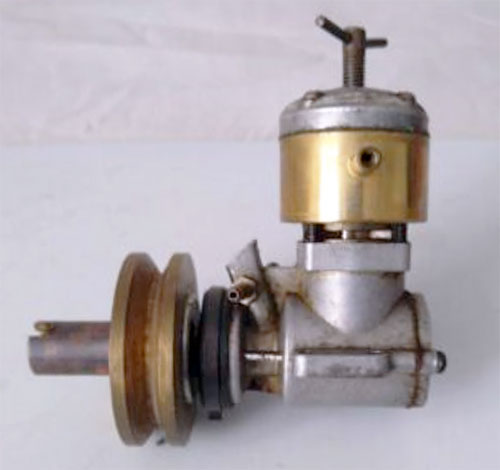
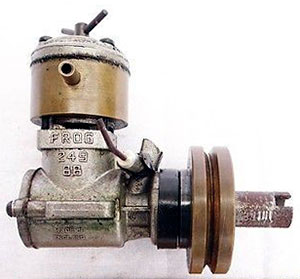
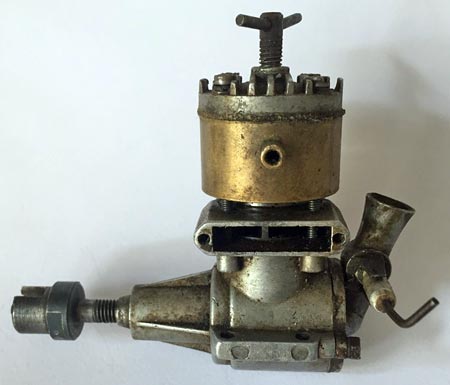
| FROG 249 BB (1959 - 1966) The rubber front bearing seal was an oil/dust seal from a Morris Minor drum brake slave cylinder. From 1964 to 1966 produced by D.C. on the Isle of Man |
| FROG 249 BB Marine (1959 - 1966) Cost £31.00 The rubber front bearing seal was an oil/dust seal from a Morris Minor drum brake slave cylinder. From 1964 to 1966 produced by D.C. on the Isle of Man |
| FROG 249 BB Marine (1959 - 1966) Cost £27.00 The rubber front bearing seal was an oil/dust seal from a Morris Minor drum brake slave cylinder. From 1964 to 1966 produced by D.C. on the Isle of Man |
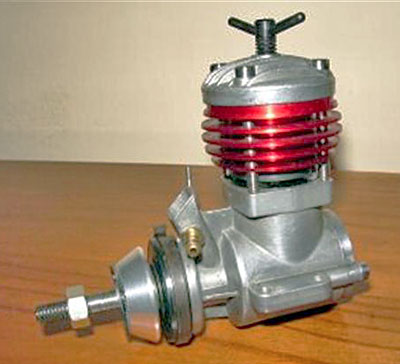
| FROG 249 BB modified (1957) Cost £66.00 A semi tuned version of the Frog 249 BB producing an extra 10% power, this is mainly achieved by changes to the cylinder porting although there were other minor changes. The engine is easily identified in the aircraft version by its distinctive red cooling fins. The rubber front bearing seal was an oil/dust seal from a Morris Minor drum brake slave cylinder. |
| FROG 349 BB Marine (1959 - 1966) Produced between June 1959 and mid 1962 by International Model Aircraft (IMA) Ltd. in London. Production of the engine was restarted by Davies-Charlton Ltd in the Isle of Man from 1964 until June 1966 but could still be purchased in shops until 1970. The serial numbers of the D.C. produced engines start with a "Z" but as hand engraved may be mistaken for a 2. Capacity: 3.43 cc (0.209 cu in) |
| FROG 349 BB R/C Marine (1960 - 1966) Produced between June 1959 and mid 1962 by International Model Aircraft (IMA) Ltd. in London. Production of the engine was restarted by Davies-Charlton Ltd in the Isle of Man from 1964 until June 1966 but could still be purchased in shops until 1970. The serial numbers of the D.C. produced engines start with a "Z" but as hand engraved may be mistaken for a 2. Capacity: 3.43 cc (0.209 cu in) |
| FROG 349 BB Marine (1959 - 1966) Cost £25 Produced between June 1959 and mid 1962 by International Model Aircraft (IMA) Ltd. in London. Production of the engine was restarted by Davies-Charlton Ltd in the Isle of Man from 1964 until June 1966 but could still be purchased in shops until 1970. The serial numbers of the D.C. produced engines start with a "Z" but as hand engraved may be mistaken for a 2. Capacity: 3.43 cc (0.209 cu in) |
| FROG 349 RC 3.5cc Diesel Engine Cost: £45 Produced between June 1959 and mid 1962 by International Model Aircraft (IMA) Ltd. in London. Production of the engine was restarted by Davies-Charlton Ltd in the Isle of Man from 1964 until June 1966 but could still be purchased in shops until 1970. The serial numbers of the D.C. produced engines start with a "Z" but as hand engraved may be mistaken for a 2. Capacity: 3.43 cc (0.209 cu in) |
| FROG 349 BB Marine (1959 - 1966) Produced between June 1959 and mid 1962 by International Model Aircraft (IMA) Ltd. in London. Production of the engine was restarted by Davies-Charlton Ltd in the Isle of Man from 1964 until June 1966 but could still be purchased in shops until 1970. The serial numbers of the D.C. produced engines start with a "Z" but as hand engraved may be mistaken for a 2. Capacity: 3.43 cc (0.209 cu in) |
KMD KMD engines were originally manufactured in 1976 by "Klimt," a Russian military aircraft turbine manufacturing plant in St. Petersburg, Russia. Each engine underwent a 15-minute test run before being shipped out. These engines can be distinguished by their black cylinder and head. In 1989, production was relocated to another military plant in Moscow. The engines produced there were of slightly lower quality and can be identified by their plain aluminium cylinder fins and head. Unlike the earlier models, these engines were not tested before distribution. Production of KMD engines continued until 1991. It is worth noting that engines manufactured by military factories generally exhibited higher quality compared to those produced in non-military Russian facilities, and the KMD engines were no exception. | |
| KMD 2.5cc Diesel black head (1976 to 1989) Cost: £46 The KMD 2.5 cc is a diesel Schnuerle-ported engine known for its unique compression alteration method, which has proven to be highly effective in practice. The early models produced in St. Petersburg featured black cylinders and underwent a 15-minute test run before being shipped out. However, starting from 1989, production shifted to a Moscow facility where the engines were manufactured with plain aluminium finishes and were not subjected to test runs. These later models are generally considered less desirable compared to the original black engines known for their superior craftsmanship. Production of the KMD engine was discontinued in 1991. |
MARZ "MARZ" is the Russian initials of the "Moscow Aero Service Factory" (DOSAAF/MARZ) a military helicopter repair and service facility, when work levels were low, model engines were made, over 1,000,000 in total! The design is said to be a result in of the engineering department of the University of Moscow being tasked with creating the design by the Soviet government in 1975, unlike it’s ageing predecessor it was an original design conceived at a time when it was considered important by the Soviet Union to win as many international events as possible. | |
| MARZ 2.5cc (1975 to 1989) The MARZ 2.5D was produced between 1975 and 1989, a total of about half a million being produced. It was introduced as a replacement for the ageing RITM (Rhythm) 2.5 cc team race diesel which had been in production since 1962. Displacement 2.47 cc |
MDS (МДС) MDS was formed in 1985 to produce model engines for Russian internal civilian use, export of engines commenced in 1996. The production of MDS engines was undertaken by a division of Savma, located in Kimry which is 98 miles North of Moscow in Russia, their primary work was the manufacture of machine tools for Russian military aerospace facilities under the control of DOSAAF (a government organisation responsible for aircraft repair plants). As the Russian Cyrillic alphabet is different than ours having 33 letters, crankcase lettering is often misread as MAC when it is in fact МДС (this translates into English as MDS). | |
| MDS 3.5cc Russian Marine Diesel New
|
M.E. M.E. diesel engines were initially manufactured between 1960 and 1969 by Marown Engineering Ltd., who were located on the Isle of Man. Following several years of non-production, the rights to M.E. engines were obtained by Moore Engineering, also situated on the Isle of Man, and in 1972 the engines were placed back into production. | |
| M.E, Heron Cost: £45 |
Mills The Mills range of engines were designed by Arnold Lewis Hardinge of Mills Brothers (Model Engineers) Limited, production taking place in Woking, Surrey. The first engine, the 1.3 cc MK1 went in to production in 1946, followed by the 0.75 cc and the 2.4 cc engines. Production ended in 1964 when new owners sold the tooling to Kumar who were located in India. | |
| Mills 1.3 Diesel Cost £45 Mills 1.3 MK2 (1950) |
MK MK engines were designed by Oleg K.Gaevsky and produced between the early 1955 until the late 1970’s in the "Moscow Aero Service Factory" (DOSAAF/MARZ) a military helicopter repair and service facility, when work levels were low, model engines were made, over 1,000,000 in total! (Copy of the Webra Mach-1) The MK 12 B is not a single engine design but rather a series of different 2.5cc diesel engines based on the German made Webra "Mach 1" 2.5 cc diesel engine, they were produced to fill the perceived needs of Russian Modellers. The Russian state sought success in all international contests including modelling ones, they also saw supporting a child’s interest in model engines and aircraft as an investment in it’s future military personnel, in consequence engines were built in state owned facilities and heavily subsidised to make them cheaply available to the Russian state sponsored youth clubs. DOSAAF was an organization of professional volunteers who were tasked with preparing Russia’s youth, up to the age of 18, for future service in the Red Army. | |
| MK-12B 2.5cc version 3 (1971 to 1975) (Copy of the Webra Mach-1) Displacement |
| MK12V (B) version 6 Cost: £39 The sixth version MK12V was a version 5 mould which had suffered thermal fatigue cracks, the mould had been welded and re-machined around the front bearing but in all other respects is the save as the MK12B version 5. fuel composition: kerosene - 40%, ether - 35%, castor oil - 10%, mineral oil - 13%, amyl nitrate - 2% |
MVVS MVVS (Modelarske Vyrobni Vyvojore Stredisko) engines were designed and produced initially in 1952 at the state sponsored Model Development Centre located at Brno in Czechoslovakia. Until 1954 engines were only supplied to Czechoslovakian modellers who showed potential in international competitions, after this they were available throughout Czechoslovakia in limited numbers. This changed in 1958 when small scale mass production was started, eventually engines became commercially available in the western world. In 1992 MVVS was privatised and subsequently availability increased world wide. | |
| MVVS 2.5 DFS/R diesel engine (late 1970’s on) Cost: £45 |
| MVVS D7A 15 team race Diesel (1968-1975) Cost: £44 |
Oliver Oliver engines were made by J.A. Oliver, a small family business located in Dorset, England. They originally specialised in tethered car engines but in later years control line contest aero engines became their main concern. | |
| Oliver Tiger Cub MK2 (1961) Cost £95 Capacity: 1.461 cc ( 0.0892 cu in ) |
PAW P.A.W. (Progress Aero Works) is located at: Union Mill, Union Street, Macclesfield, Cheshire, SK11 6QG, UK. | |
There can be no doubt that Gig's driving force and skill has kept P.A.W in continuous production of model diesel engines while the competition has faltered. You could be forgiven for thinking P.A.W must be a one man band, you would it fact be wrong! P.A.W. has always been a family orientated concern. Gig's grandmother worked happily for the company well into her eighties, his mother has spent many years helping make the business successful as indeed do Gig's own children today. History | |
| PAW 100 Mk 2 diesel (1986) Cost: £43 |
| Paw 1.49 DS (1959) Cost: £41 |
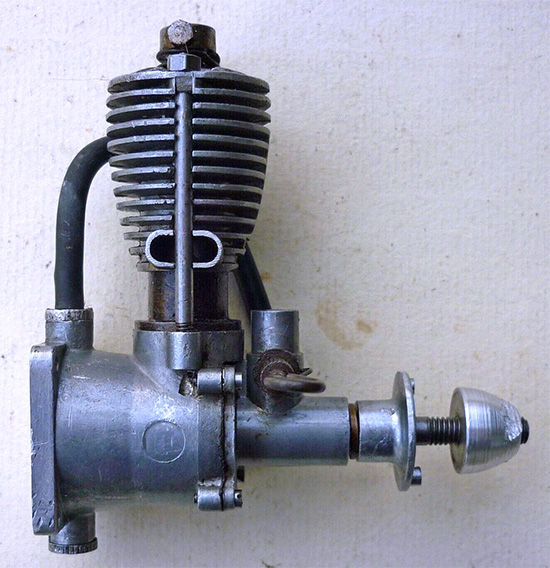
Rythm (RITM) Rythm (RITM) engines were made under the control of DOSAAF in Kiev, Soviet Union from 1962 until 1975. They were designed by Boris Krasnorouski from Kiev in the Ukraine. They were intended for control line team race use, apart from being rear induction much of their design was undoubtedly inspired if not "borrowed" from the famous English Oliver Tiger engine. | |
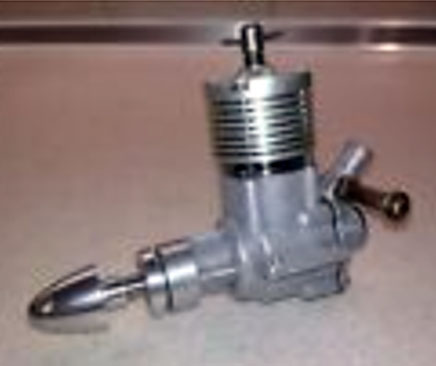 | Rythm 2.5D version 2 (1964) Cost £35 Capacity: 2.46 cc (0.15 cu in) |
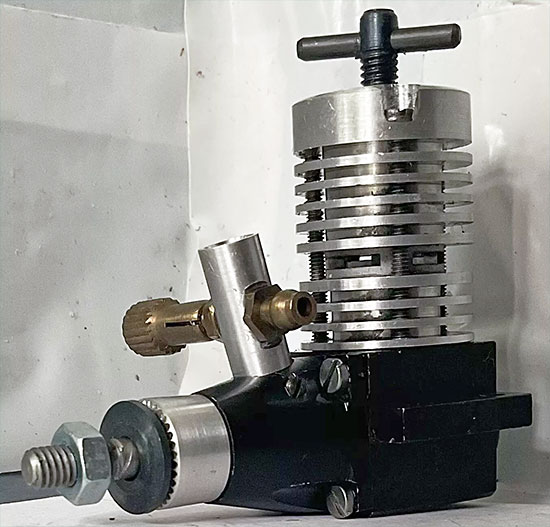
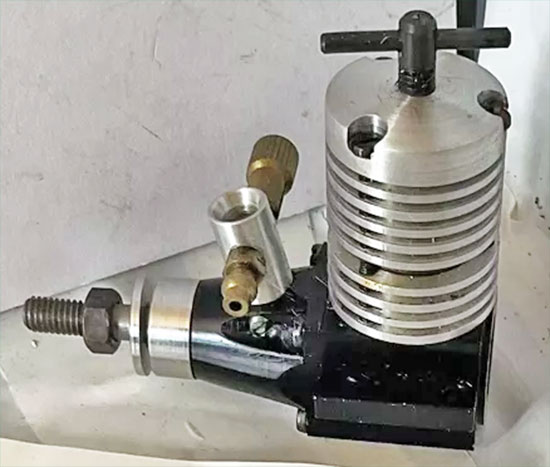
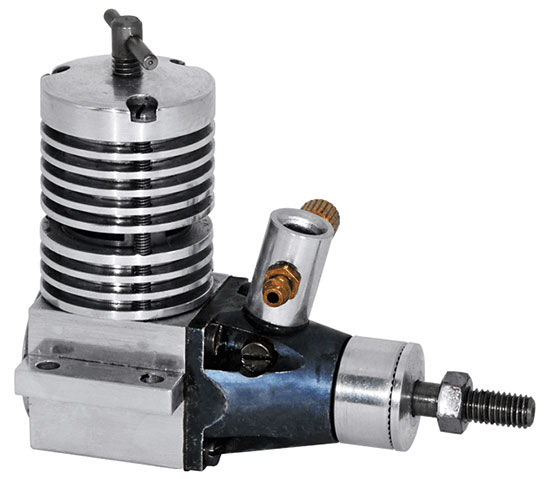
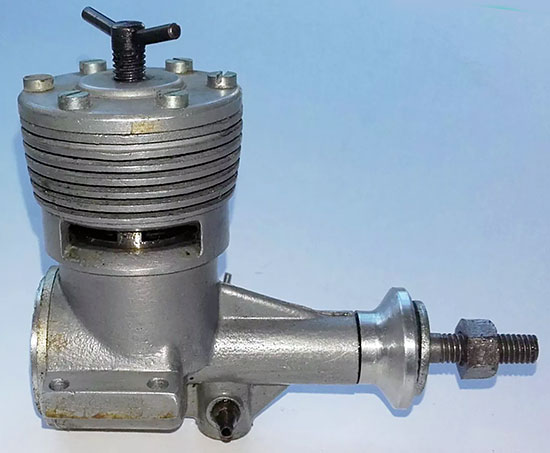
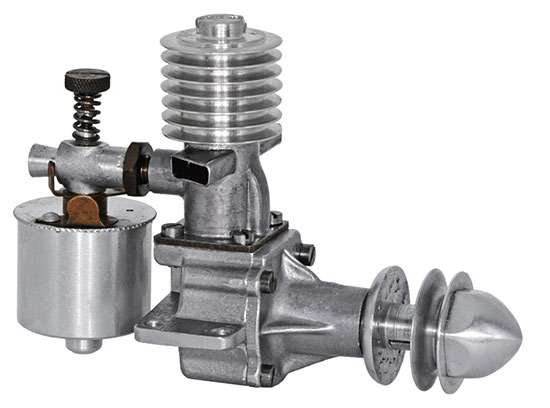
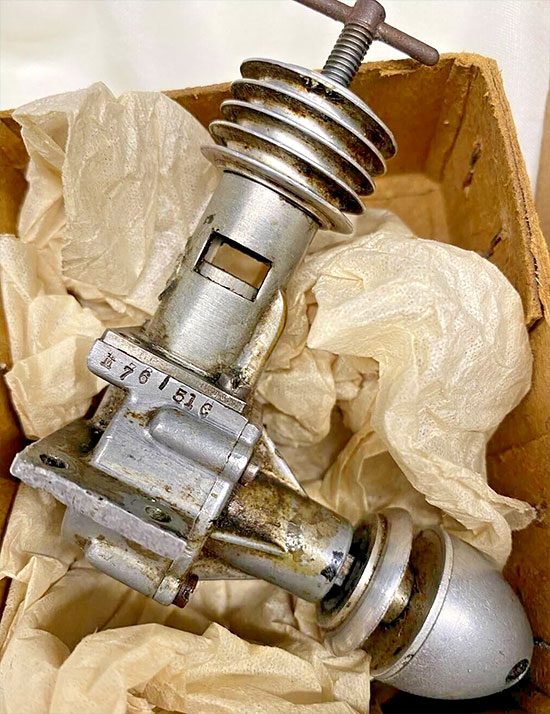
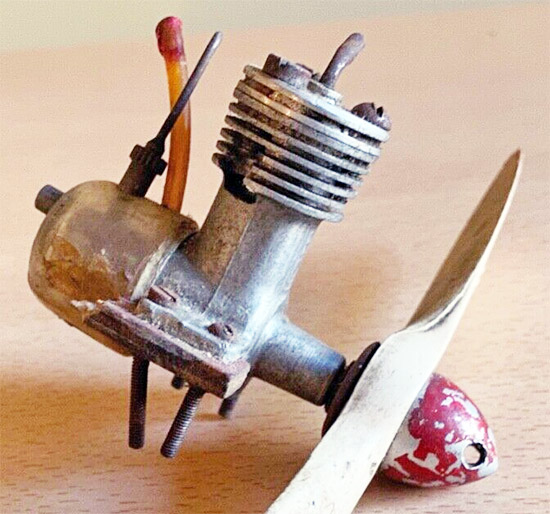
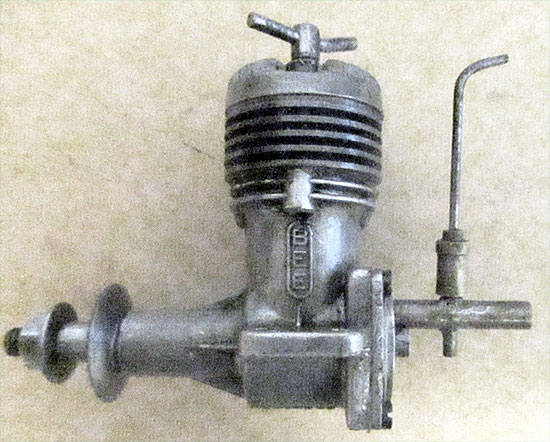
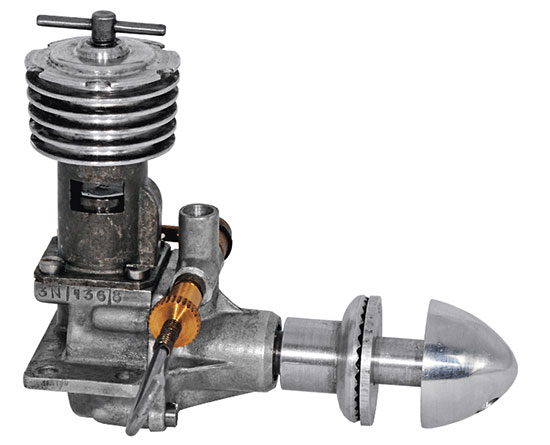
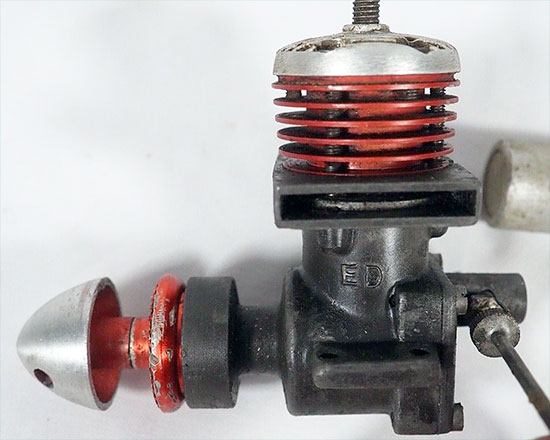
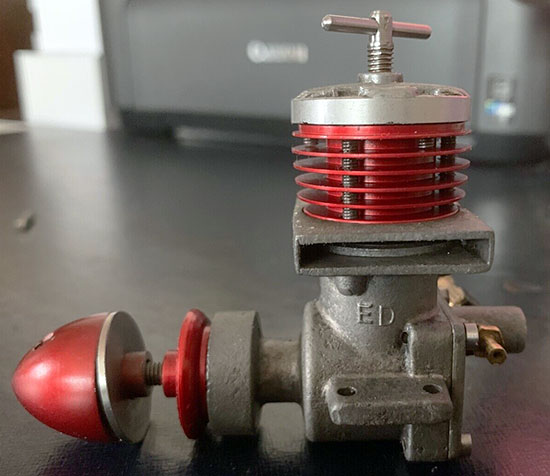
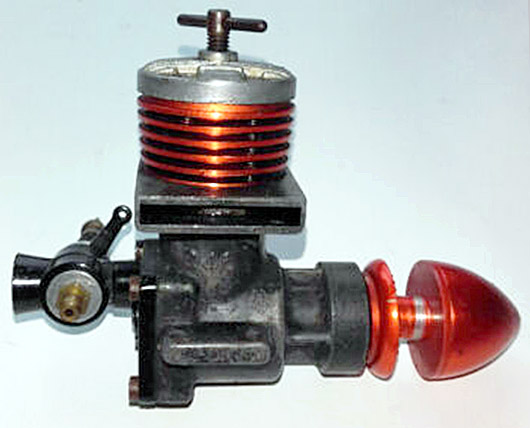
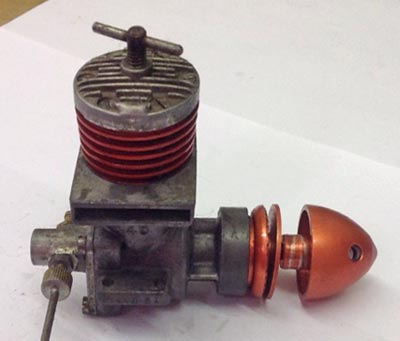
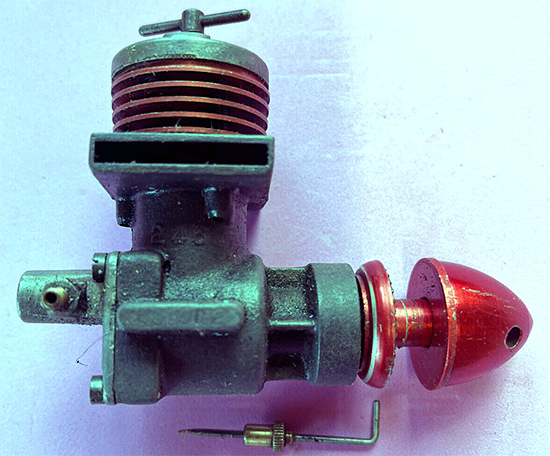
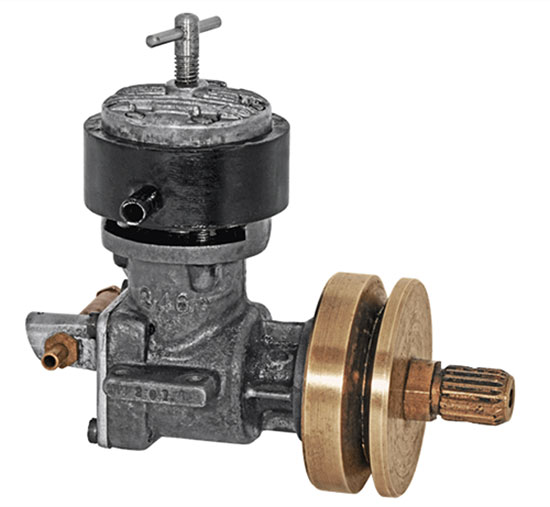
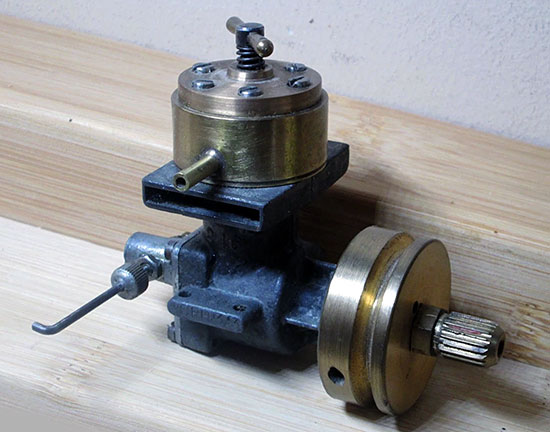
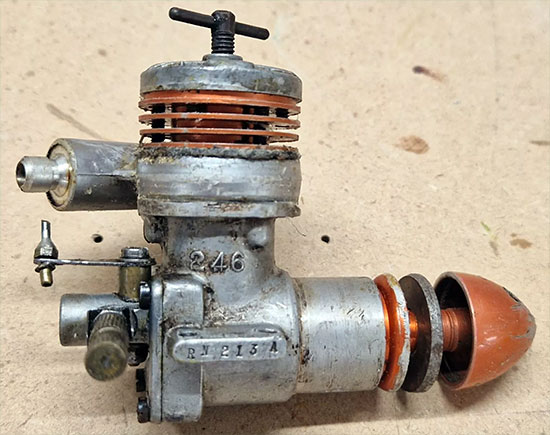
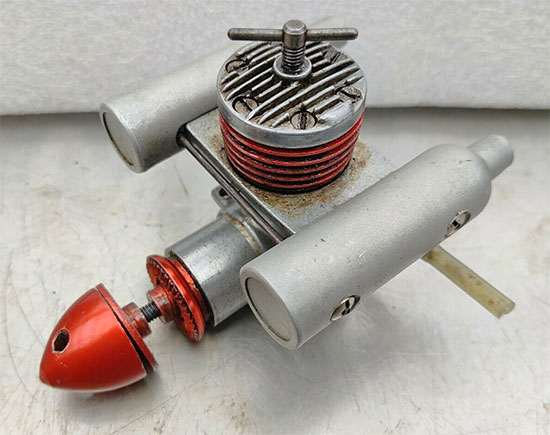
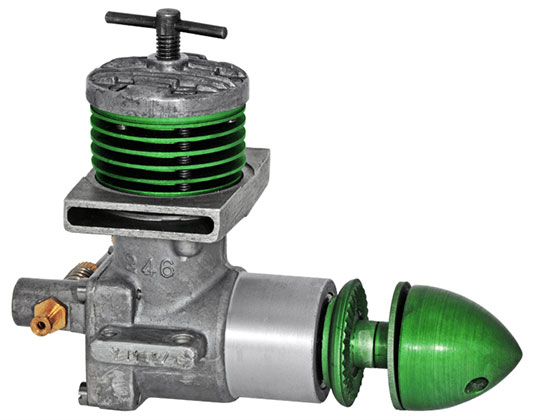
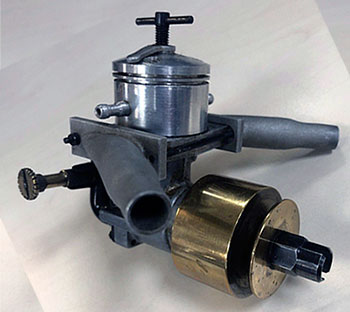
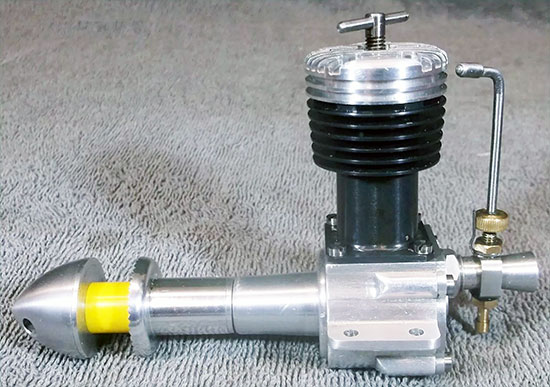
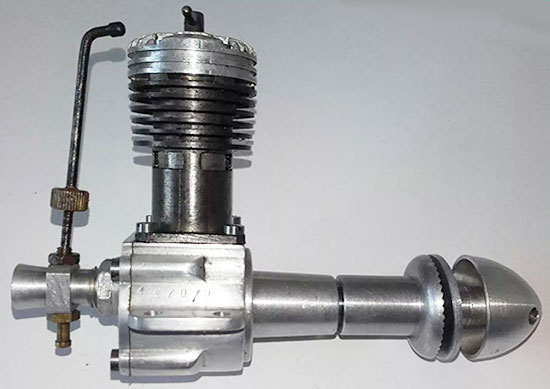
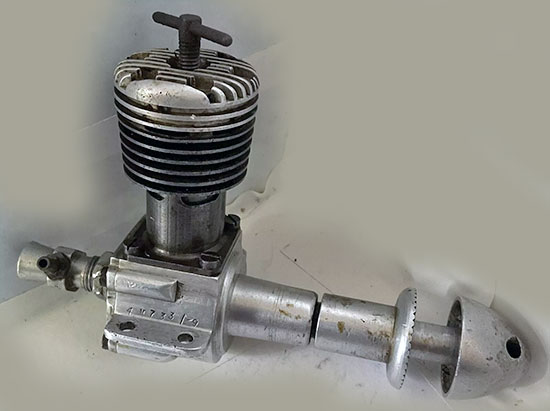
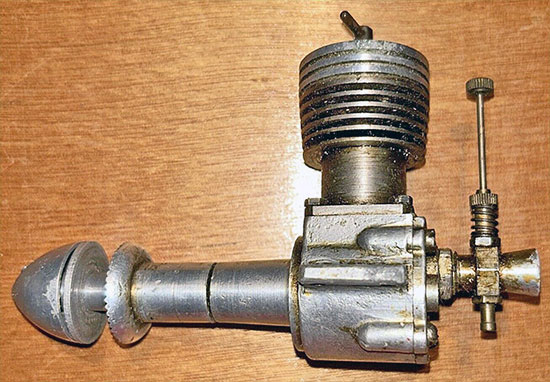
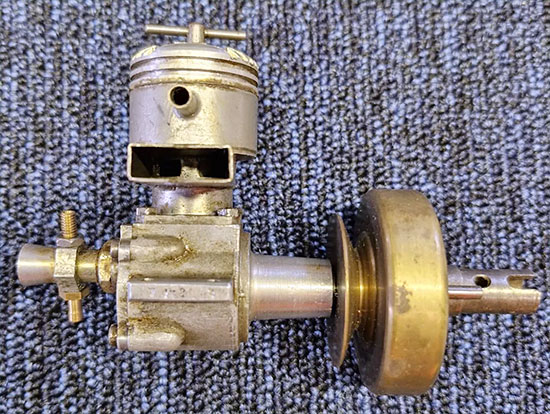
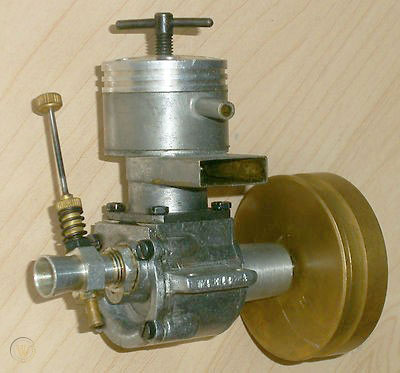
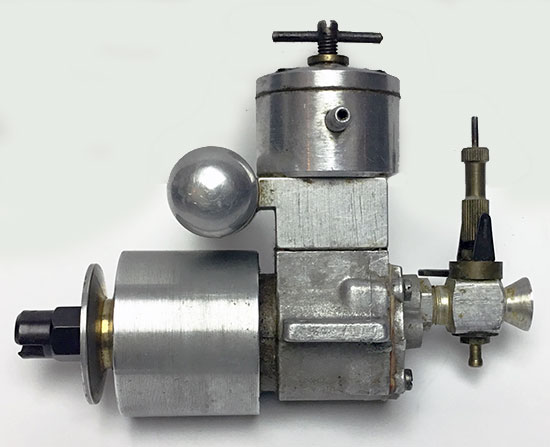
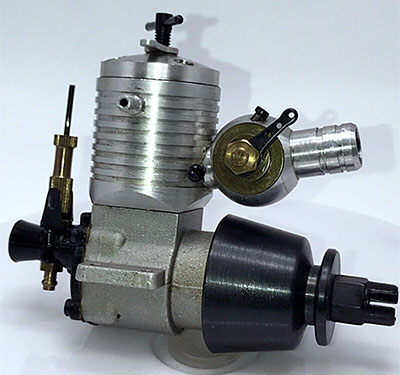
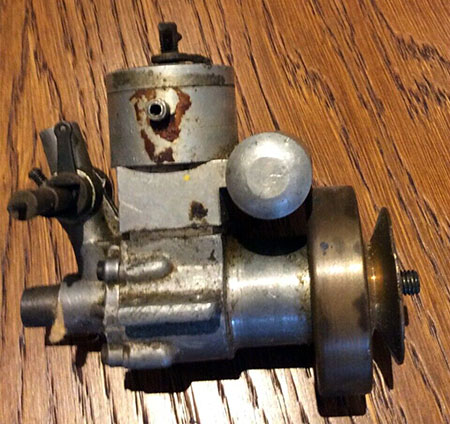
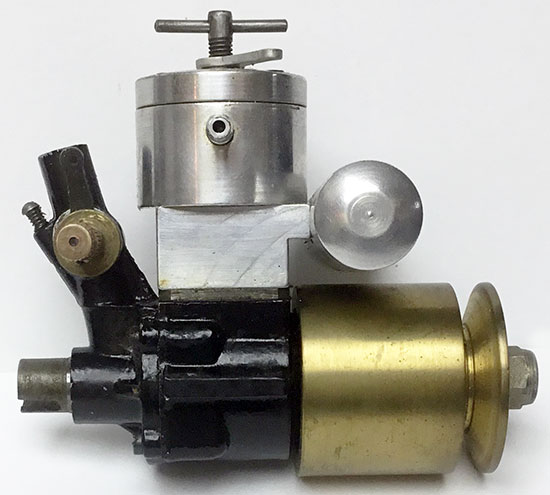
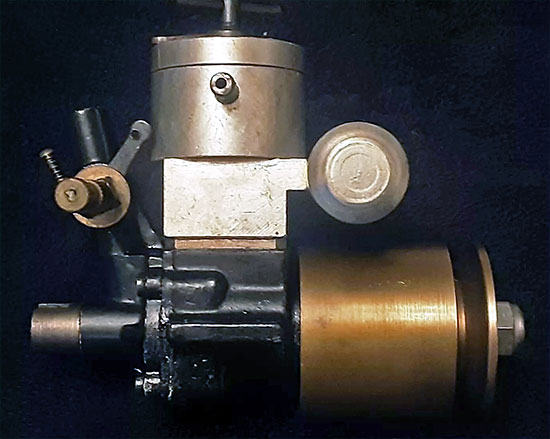
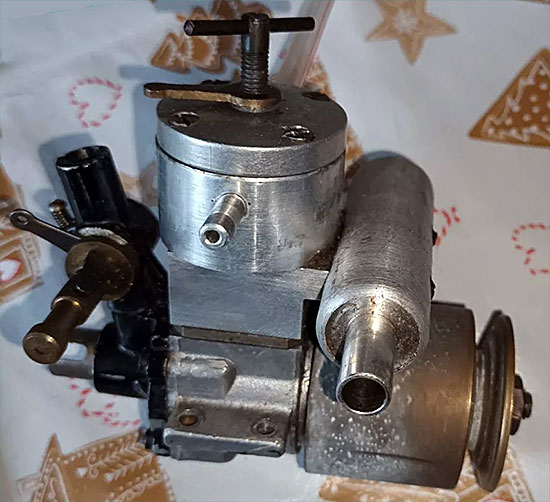
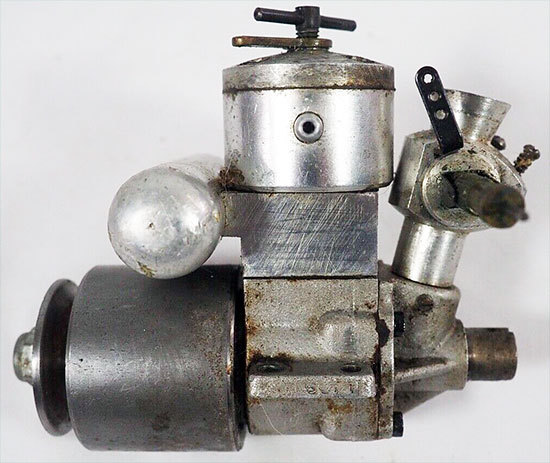
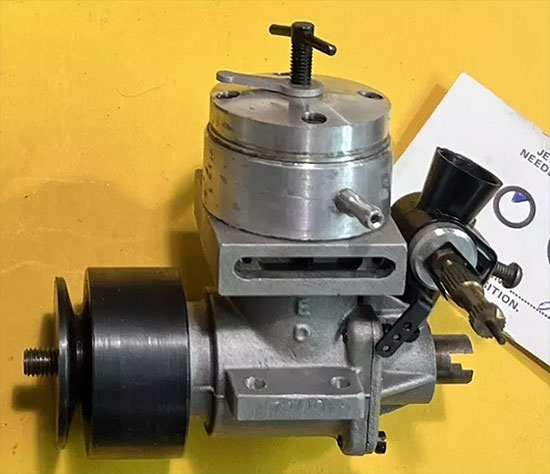
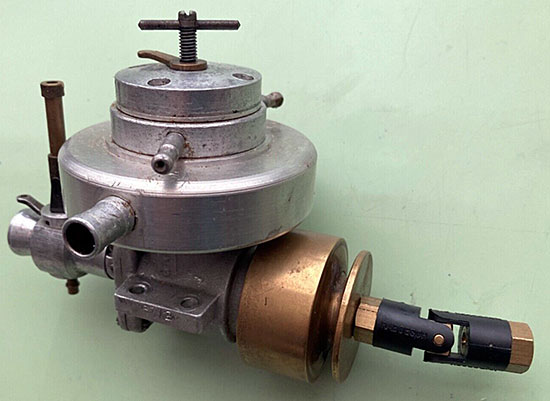
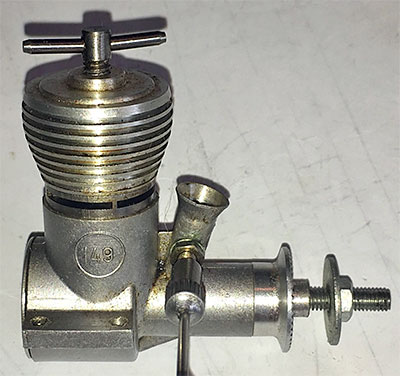
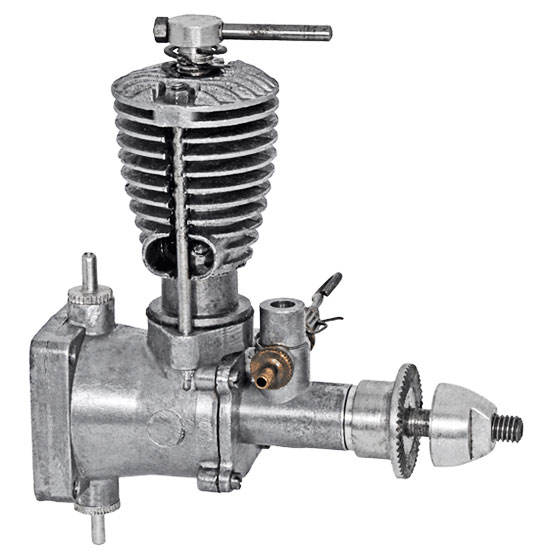
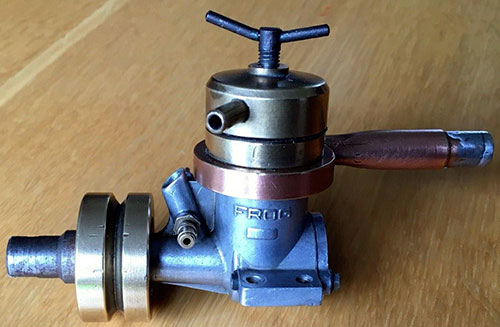
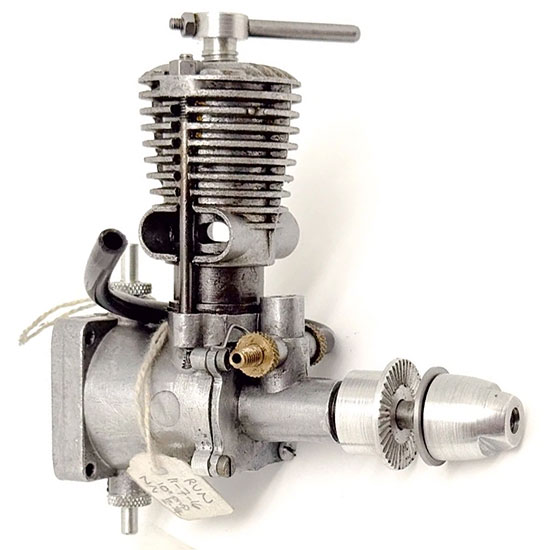
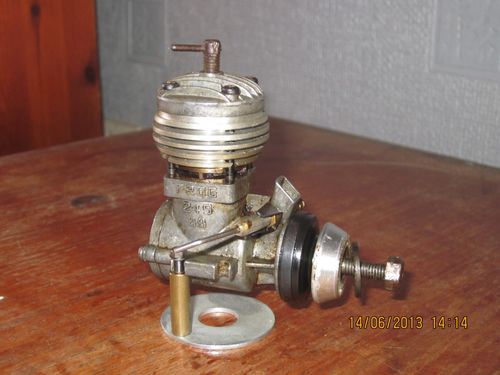
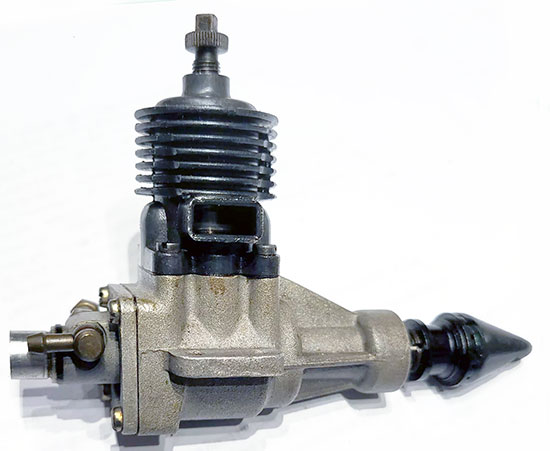
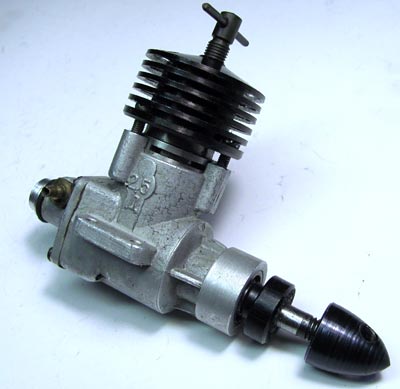
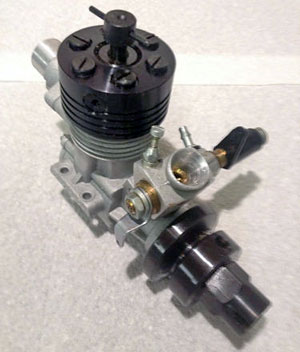
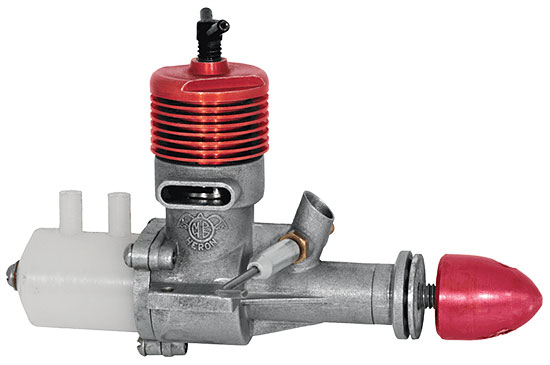
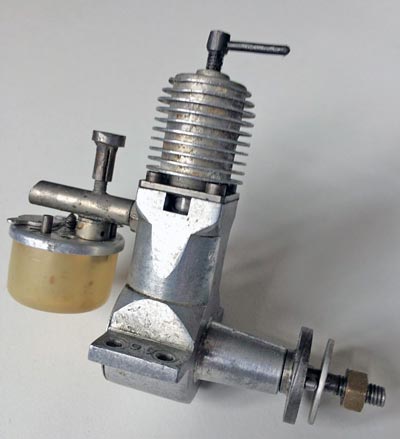
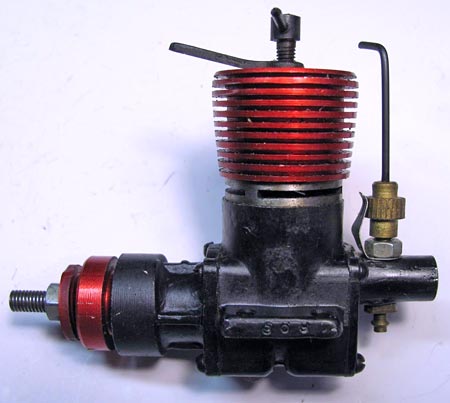
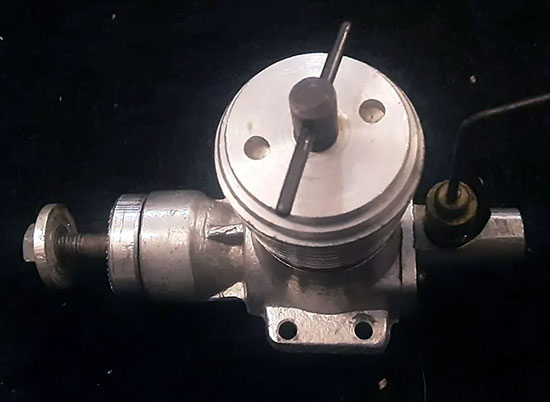
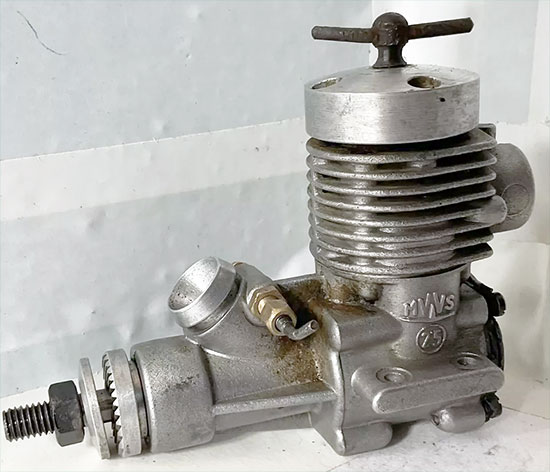
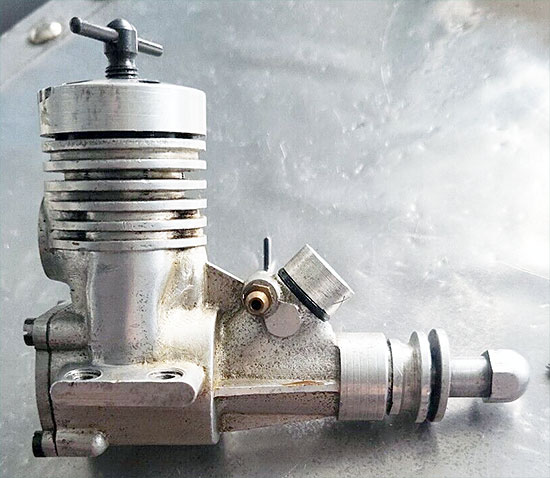
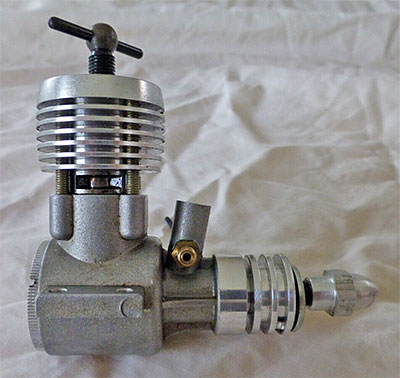
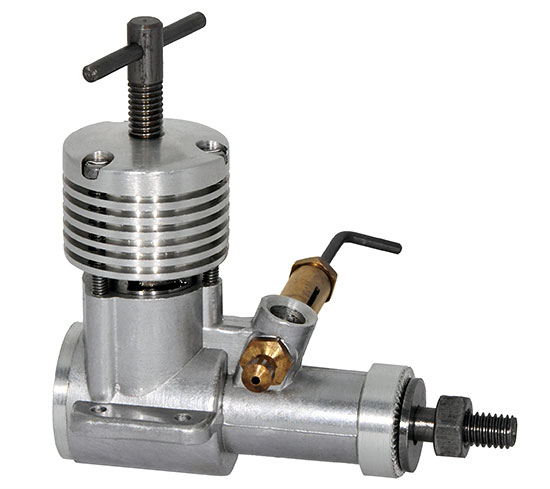
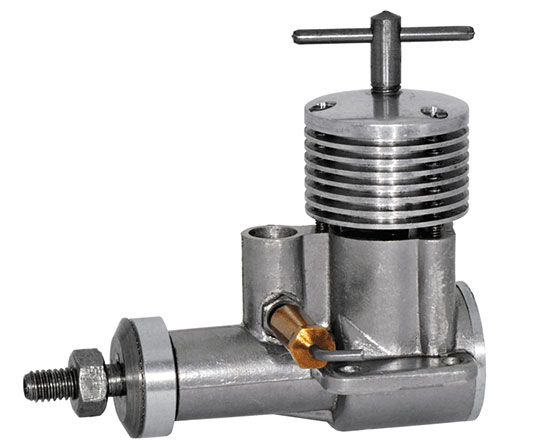
Super Tigre Super Tigre stopped making engines in Italy in about 2016 with some production being transferred to China for a little while. | |||||||||||||||||||||||||||||||||||||||||||||||||||||||||||||||||||||||||||||||||||||||||||||
Mr. Jaures Garofali, designer and manufacturer of the renowned “Supertigre” engines was born in 1920 at Bologna, Italy. In 1937 he joined forces with Valerio Ciampolini and Mr. Betuzzi, and formed the company O.S.A.M. (Officina Sperimentale Apparecchi Motori).
The large G found on the crankcases standing of course for Garofali. The first engine to be actually branded as a Super Tigre was the G-19 of 1949. |
In 1964 it became necessary for commercial reasons to number engines relative to their cubic capacity in cubic inches, so 10cc engine now became an ST G-60. | ||||||||||||||||||||||||||||||||||||||||||||||||||||||||||||||||||||||||||||||||||||||||||||
Taifun The Taifun (Typhoon in English) diesel and glow plug model engines were designed by Hans Hörnlein for the well known West German modelling equipment distributor Graupner, the first of the Taifun engines were introduced during the mid 1950’s, primarily for sale to their German customers. | |||||||||||||||||||||||||||||||||||||||||||||||||||||||||||||||||||||||||||||||||||||||||||||
| Taifun Hurrikan Cost £44 | ||||||||||||||||||||||||||||||||||||||||||||||||||||||||||||||||||||||||||||||||||||||||||||
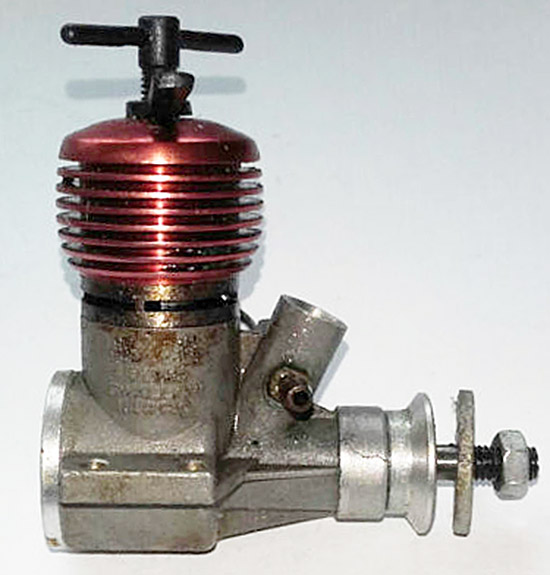
Taplin Taplin engines were originally designed by Colonel H. J. Taplin and produced in 1957 by his company, Birchington Engineering Company Ltd. In 1962, Colonel Taplin founded a new company, Dinton Engineering, to manufacture the next generation of Taplin engines, with his son John overseeing operations at the new facility. After Colonel Taplin's retirement in 1967, John Taplin led all future engine design efforts as well as overseeing engine production. | |||||||||||||||||||||||||||||||||||||||||||||||||||||||||||||||||||||||||||||||||||||||||||||
| Taplin Tempest Cost £300 | ||||||||||||||||||||||||||||||||||||||||||||||||||||||||||||||||||||||||||||||||||||||||||||
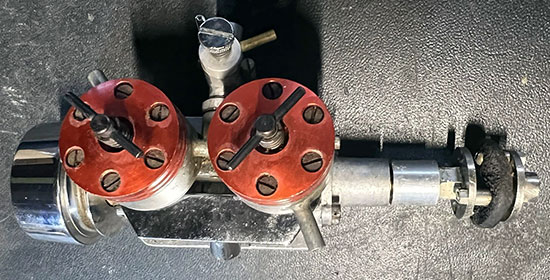
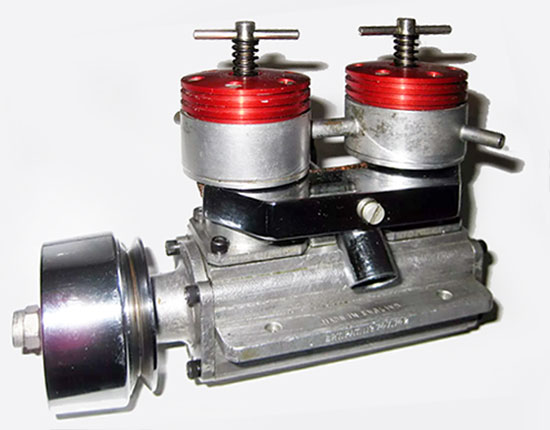
| Taplin Twin 7cc Marine Diesel Cost: £225 | ||||||||||||||||||||||||||||||||||||||||||||||||||||||||||||||||||||||||||||||||||||||||||||
| Taplin Twin 8cc MK2 Marine Diesel Cost £170 | ||||||||||||||||||||||||||||||||||||||||||||||||||||||||||||||||||||||||||||||||||||||||||||
| Taplin Twin Mk2 8cc Deluxe Marine Diesel Cost: £240 | ||||||||||||||||||||||||||||||||||||||||||||||||||||||||||||||||||||||||||||||||||||||||||||
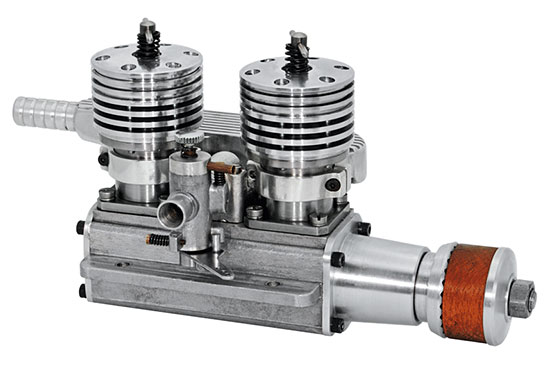
| Taplin Big Twin 15cc Diesel Aero engine Cost 270 | ||||||||||||||||||||||||||||||||||||||||||||||||||||||||||||||||||||||||||||||||||||||||||||
| Taplin Big Twin 15cc Marine Diesel New Cost: £280 | ||||||||||||||||||||||||||||||||||||||||||||||||||||||||||||||||||||||||||||||||||||||||||||
Yin Yan (Silver Swallow) Yin Yan engines were originally produced by Teh Ming Sports Goods Factory in Shanghai China in the early 1960’s, they remained in production until the early 1990’s at which time they were being produced by the Jin Shi Jing Ji Shi Ye Gong Si” factory in Shanghai. It would seem the design was acquired by CS Model Equipment Ltd. of Shanghai, who produced a better made version of the 2.47 cc engine until about 2005. Capacities of the diesel engines were 2.47 cc and 1.49 cc and air cooled and marine engines were available. It is possible they may have been designed with an Alag engine used as a reference. It is of note that these engines were originally made for internal use in China and were only exported from about 1980. | |||||||||||||||||||||||||||||||||||||||||||||||||||||||||||||||||||||||||||||||||||||||||||||
| Yin Yan (Silver Swallow in English) 1.49 cc "RED" Type 3 (1956) Cost £22.20 Capacity: 1.49 cc (0.091 cu in) Bore: 12.8 mm Stroke: 11.6 mm | ||||||||||||||||||||||||||||||||||||||||||||||||||||||||||||||||||||||||||||||||||||||||||||